
Panel Upgrades and EV Chargers Are Reshaping Residential Demand
A wave of EV chargers, heat pumps, and other new household loads is running into panels that were never sized for them, and the shops treating that mismatch as one job instead of two are capturing outsized demand.
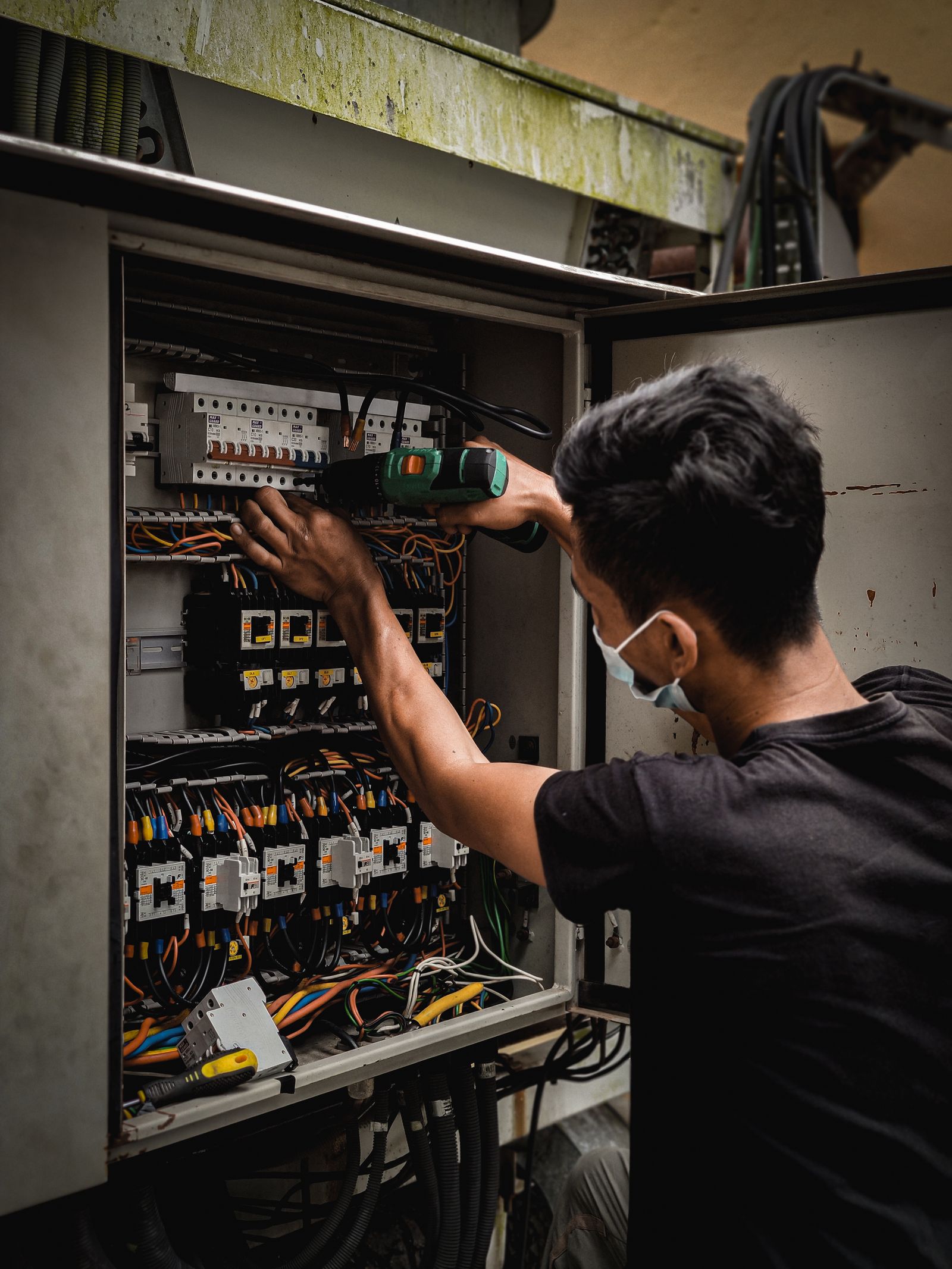
A wave of household electrification, EV chargers, heat pump water heaters and HVAC, induction ranges, solar and battery storage, is arriving at electrical panels that were sized for a very different home. A large share of residential and light commercial buildings are still running 100-amp services installed decades ago, when the biggest single draw in the house was a window air conditioner. That mismatch is turning into one of the more reliable sources of new work for electrical contractors, but only for shops set up to recognize it, quote it correctly, and follow through on the coordination it requires.
Where the demand is actually coming from
The pattern usually starts small. A homeowner buys an EV and calls around for a charger install, expecting a straightforward afternoon job. The electrician runs a load calculation and finds the existing panel is already close to capacity between the HVAC system, an electric range, and everyday household draw. Adding a 40 or 50-amp charging circuit on top of that isn't a quick add, it's a panel conversation. The same thing happens with heat pump conversions and induction range swaps: each looks like a single-appliance job until someone actually does the math on what the panel can carry.
Roughly how many inbound calls do you take in a week?
Tap to start. 5 quick questions, then see your monthly number.
The upsell that isn't really an upsell
Framing this correctly matters more than it sounds like it should. A shop that leads with "you need a whole panel upgrade" before explaining why tends to lose the customer to a competitor willing to just install the charger and let the panel run hot. A shop that walks through the load calculation, shows the math, and explains what happens if the circuit is added anyway, tends to close the larger job and keep the customer's trust for the next electrification project that comes along.
A charger install that starts as a two-hour job can become a full panel upgrade the moment someone actually runs the numbers on what's already on that circuit.
Pricing and scheduling the combined job
Panel upgrades and EV installs done together bring their own scheduling friction. Utility coordination for a service upgrade can add days or weeks depending on the local utility's process, panels and breakers themselves are occasionally back-ordered, and permitting and inspection lead times vary a lot by jurisdiction. Shops that quote these jobs well tend to separate the estimate into clear line items, panel work, charger install, permit and inspection fees, rather than a single lump sum, so the customer understands what's driving the price and the timeline both.
Where the recurring revenue is
A household that does one electrification project rarely stops there. A homeowner who upgrades a panel for an EV charger is a strong candidate to come back in a year or two for a heat pump water heater, solar, or a battery backup system, especially if the first job went smoothly and the panel now has room to grow. Shops that stay in touch after the initial install, rather than treating it as a closed ticket, are better positioned to get that second and third call instead of losing it to whoever shows up first on a search result later.
The marketing implication most shops miss
A lot of homeowners searching for an electrician don't yet know that their panel is the actual bottleneck. They're searching generic terms, not "panel upgrade for EV charger," because they don't know that's the real scope of what they need. Shops that publish clear, plain-language content explaining how panel capacity works and when an upgrade is likely needed tend to capture that awareness-stage interest before the homeowner has even called around, and those customers arrive at the first appointment already understanding the scope, which shortens the sales conversation considerably.
This trend isn't a short-term spike tied to one incentive program or one model year of vehicles. Electrification is a multi-year shift across HVAC, cooking, water heating, and transportation all at once, and panels built for an earlier era of household electricity use are the common constraint running through nearly all of it. The shops that build a repeatable process around diagnosing and pricing that constraint, rather than treating every call as a one-off, are the ones capturing a disproportionate share of the work as it keeps arriving.
Most shops lose more booked work at the phone than they realize. See your monthly number.
See my number →